Finding Peace in Surrender
An Islamic Perspective

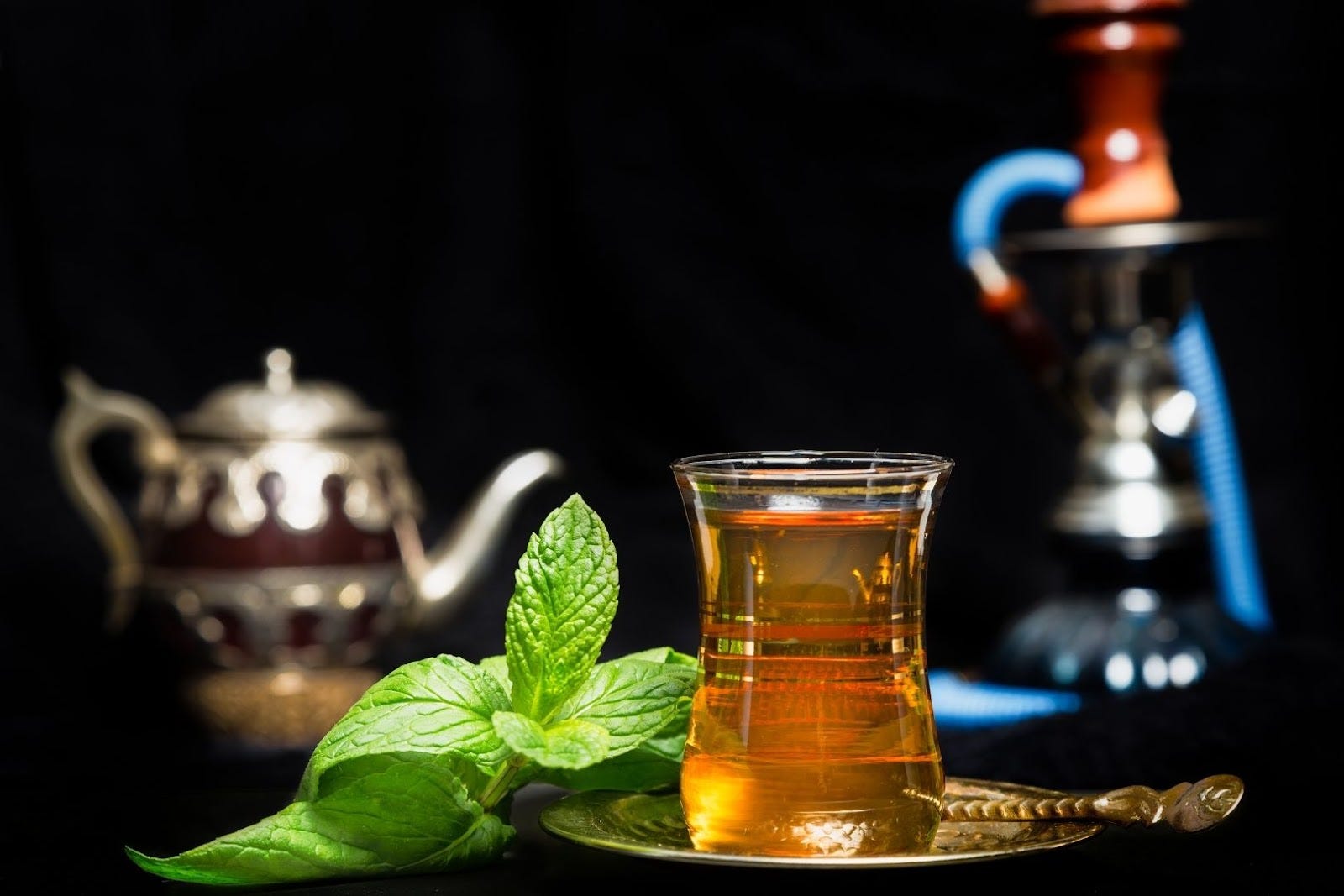
Welcome back to our sacred space, dear one. Today, I brought mint tea from home and brewed it instead of coffee. Its gentle warmth seems more fitting as we cap off our tour of religious beliefs about death with an exploration of how our Muslim neighbors understand life's final chapter. You know how after 9/11, many Americans developed fears about Islam and still hold these today? Well, I started wondering about that when our neighbor Fatima came and sat with me almost every day during David's final days, bringing homemade baklava and hummus, and holding my hand as she quietly chanted lyrical prayers in Arabic. She was the one who raised the topic of the 9/11 bombings and told me how deeply saddened and upset she was. “I hate those men as much as you do. They gave my religion and all Muslims an undeservedly bad name.”
Today, with 1.8 billion Muslims worldwide—including some of your old college friends—I want to understand what Islam’s true teaching is, because if I've learned anything from writing these blogs, it's that from unexpected places, you and I gain wisdom.
The Foundation: Life is not yours alone
Remember Muhammad Ali? The man who floated like a butterfly and stung like a bee? When winning world titles, he strutted around calling himself "The Greatest." But something profound happened when he became Muslim in 1964. Ali learned to surrender everything—his career, his name—to something greater. He later said, "I just want to be remembered as a man who tried to unite all humankind with faith and love."
Ali's transformation embodied Islam's heart: surrender. Not surrender as defeat, but as liberation. "Inna lillahi wa inna ilayhi raji'un" (Indeed, to Allah we belong and to Allah we shall return) affirms Muslims' fundamental belief. Your life isn't yours—it's an amanah (trust) from Allah. Like viewing the Grand Canyon at sunset: the vista feels intimately yours, but when you turn away, the Canyon remains unchanged. Life is like that: a precious gift held briefly, then returned.
When death arrives, Muslims believe the soul's extraction reflects how you lived. For the righteous, it flows "like a drop of water from a waterskin." For those who lived badly, it's "like multi-pronged skewers being yanked out of wet wool." Ideally, your last words echo the declaration you've said your whole life: "There is no god but Allah."
Daily Rehearsal for Ultimate Surrender
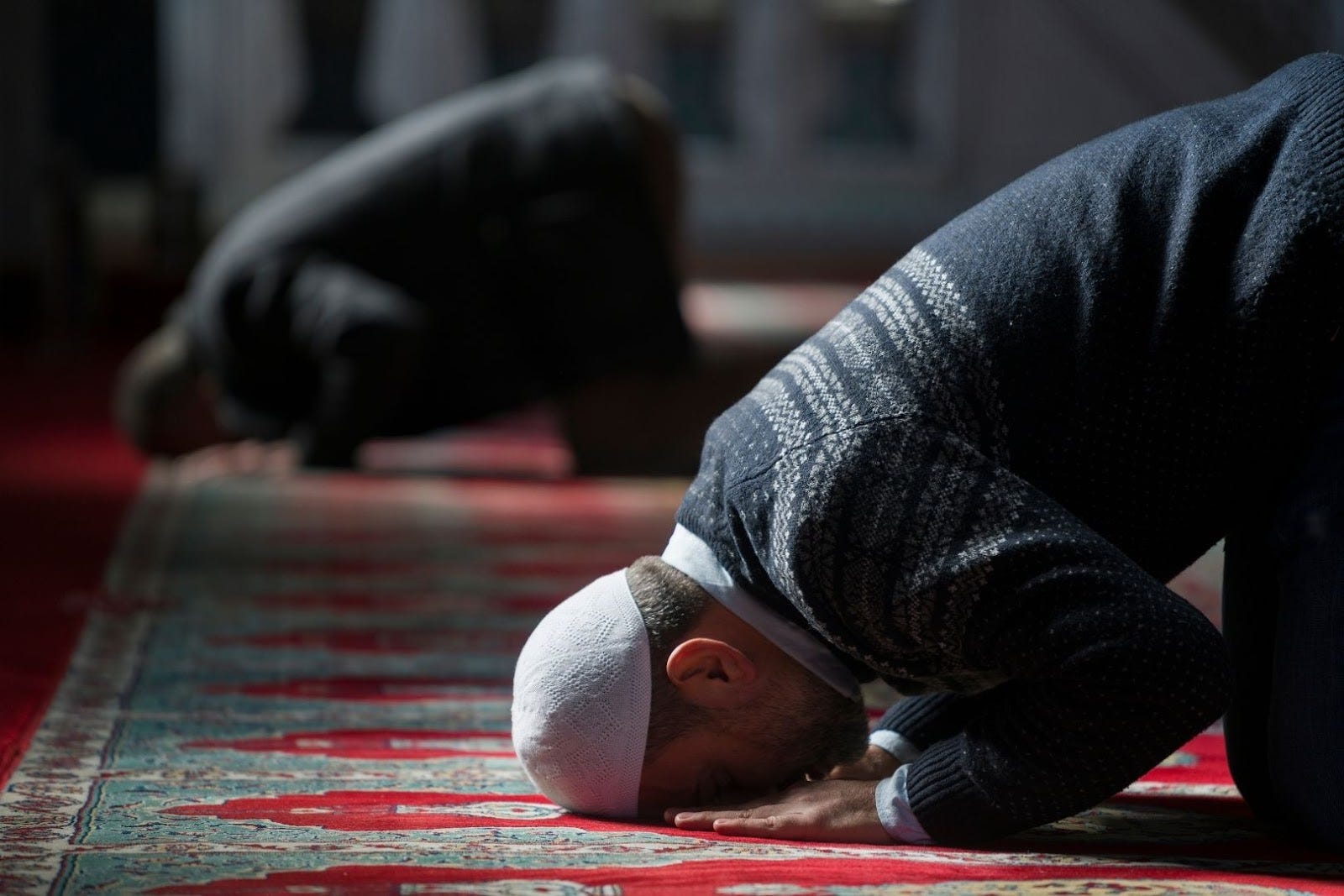
Islamic practice weaves death preparation into daily life. Five times daily, Muslims prostrate in prayer, foreheads pressed to ground, mirroring death's ultimate submission. Father Rodriguez once told me, "They rehearse surrender five times daily. By death, it's not foreign territory."
During Ramadan's sunrise-to-sunset fast, bodies learn that physical needs are temporary while spiritual needs are eternal. The Hajj pilgrimage to Mecca – something you’ve been saving and preparing for your whole life - is even more poignant. You as a pilgrim wear a simple white shroud, the same as burial clothes, walking among millions dressed identically. Dr. Rashid described his Hajj: "Imagine a sea of white where CEOs stand beside street sweepers, all equal before God. It's like experiencing your own funeral while alive—humbling and liberating."
The requirement of zakat—giving 2.5% of your wealth annually - also reinforces submission and the idea that nothing truly belongs to you. You are merely a trustee of blessings meant to be shared.
Poetry of death rituals
Islamic practices of mourning balance grief and hope. As you approach death as a Muslim, your family begins Talqeen—gently encouraging recitation of the Shahada. This isn't done in panic but in a peaceful ritual that, through Quranic verses whose Arabic syllables flow like rivers, carries your soul home.
When you die, no matter how wealthy, you are buried in a simple wooden box in a grave facing Mecca. The service is simple and sacred. The standard mourning period lasts just three days - long enough to grieve but not so long that life stops completely. Widows observe Iddah for over four months, remaining in their homes to signify the impact of the loss, while the community supports them.
My friend Layla, whose father, after immigrating from Syria struggled, and eventually built a successful restaurant, died from cancer with "calm acceptance." He’d fought with the help of chemotherapy until it made no more sense to him. Then he said, “When Allah calls me home, I'm ready.”
During his final weeks, their mosque community surrounded the family. Someone was always there with meals, someone else helped with his restaurant's paperwork, and the Imam visited regularly. When Hassan died, the funeral happened within 24 hours, as tradition requires, allowing the family to get over the awful details and grieve in peace.
Afterlife: Vision in Detail
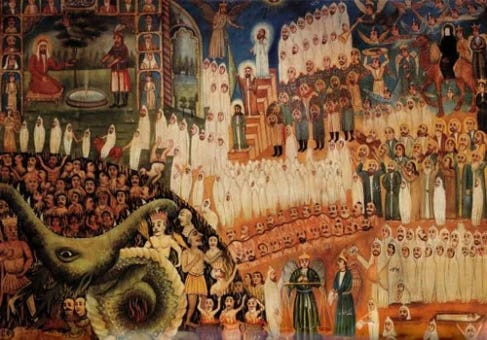
Muslims paint remarkably specific afterlife visions. Between death and judgment lies Barzakh—where angels question your soul about faith and deeds. Imam Hassan describes it as "gentle awakening, like a parent asking what you learned at school."
Paradise (Jannah) offers gardens with rivers of water, milk, honey, and wine that doesn't intoxicate. Beyond physical pleasures comes perpetual youth, joy, reunion with loved ones, freedom from sorrow, and reunion with loved ones.
Hell (Jahannam) has seven levels, but for repentant Muslims, it purifies rather than eternally damns. Through Allah's mercy, even those entering hell may reach Paradise.
Most beautiful is communal afterlife vision. Muhammad taught: "When a man dies, his deeds end except for three: ongoing charity, beneficial knowledge, or virtuous descendants who pray for him." Your eternal existence includes ripples of earthly goodness. If you live a good life, your legacy lives on.
Misunderstood martyrdom
I know this is the part that makes many Americans uncomfortable. After 9/11, the word "martyr" became a curse word and it is true that the highest form of martyrdom is dying while defending faith, family, or the oppressed. This includes standing against injustice – a category that likely inspired (and deluded) the September 11 terrorists. But it’s not supposed to be about doing heinous harm as you take your own life. It’s about sacrificing for something greater than yourself. Thus, mothers who die in childbirth are considered martyrs. So are healthcare workers who die in the service of caring for patients. Even patients who struggle through diseases of the stomach or lung, associated with prolonged suffering and the need for extra perseverance and patience, gain martyrdom as do those who experience unexpected death from tragic accidents or acts of nature.
Dr. Ahmed Hassan, an emergency room physician who died from COVID-19 in 2020, was considered a martyr by his community. He'd worked extra shifts during the pandemic, treating everyone regardless of their ability to pay. His widow, Sarah, told me: "Ahmed didn't seek martyrdom—he just couldn't turn away from people who needed help. That's what made him one."
Contemporary Islamic scholars have expanded martyrdom to include victims of hate crimes, people who die trying to save others, and those who die while seeking beneficial knowledge – acts of service despite the risk of death.
Why do people become martyrs? The Quran teaches that these saviors bypass the experience of the soul's extraction and the long wait in Barzakh. They transition directly into divine presence. Upon shedding the first drop of blood, a martyr is granted the forgiveness of sins, a glimpse of their heavenly home, and the assurance that they will not face punishment in the grave. Moreover, all their family are granted the same sacred privileges. In accepting ending, they find eternal beginning and belonging, and not only for themselves.
Martyrs are adorned with a crown of honor containing a jewel more valuable than the entire world and everything in it. They eat delicious food that never diminishes and enjoy pleasures that never fade. Yet, martyrs are described as the only people in paradise who long to return to earth. Why? So that they can be martyred again and again.
When modern medicine meets ancient faith
Muslims face unique challenges in Western hospitals. As a believer, you prefer same-gender healthcare providers, when possible; need space for prayer five times daily; require a halal diet that avoids pork and alcohol and require animals to be slaughtered swiftly and humanely; and want your head elevated toward Mecca during your final moments.
You are taught to believe that Allah determines your time of death. The religion thus strictly prohibits Medical Aid in Dying (MAID) but embraces comfort care and natural death. At the same time, as Dr. Amina Sadiq, a palliative care physician I interviewed said, "I explain to families that accepting comfort care isn't giving up—it's trusting Allah's wisdom while ensuring dignity and peace. Islam permits us to stop extraordinary measures when they cause more harm than benefit."
Finding common ground
In reading this, you may have noticed how much Islam shares with Western faith traditions. Muhammed Ali talked about the fact that we are all God’s children. You should never pick and choose to love only some of your children, he reminded us. All of us, independent of our chosen faith, believe in community support, the importance of dignity, and that love transcends physical existence. As much or more than other traditions, Islam requires self-sacrifice, including sacrificing your life to Allah, who, after all, has only given it to you as a temporary loan. When David was dying, Fatima's quiet presence and gentle prayers felt as comforting as any Christian hymn or Jewish psalm.
Yes, there are theological differences. Yes, some extremists have perverted Islamic teachings for violence. But at its core, Islam is a faith wherein you can find reassurance and hope in the trust that there is something greater than you that offers eternal existence more beautiful than your short and troubled life on earth.

Final Meditation
Last week, visiting Fatima to share this draft, she grew quiet, then said, "What brings me peace? Arabic word for womb is 'rahim,' from same root as God's name 'Ar-Rahman' (Most Merciful). We come from mercy, return to mercy. Death is just another birth."
Her words reminded me why I started this series—transforming our relationship with mortality from fear to understanding. Each tradition offers its lens, but perhaps all look at same light from different angles.
As Fatima walked me out, she pressed a card with an Islamic saying: "Live in this world as stranger or traveler." Not to detach from life, but hold it lightly, appreciating each moment without clinging. David would have understood perfectly.
Join the conversation — I'd love to hear about your experiences with Muslim friends or neighbors during times of loss. And don't forget to visit Fully Informed Conversations where you can explore your own end-of-life preferences in a caring, supportive environment.
With all my love,
Mom
(Roberta Ness, MD, MPH)